
 MBBS ABROAD · Russia
01Overview
MBBS in Russia: An Overview for Aspiring Indian Students
Studying MBBS in Russia is a complete 6-year journey for Indian students, including 5 years of coursework with clinical training starting as early as the third year, followed by a mandatory 1-year clinical internship. With more than 30,000 Indian students (as per MEA reports & statistics) already studying medicine at more than 50 medical universities in Russia, the Russian Federation is among the most popular and cost-effective options to study medicine. Major reasons for choosing Russian institutions include quality education at affordable rates, a range of career options after graduation, and the worldwide recognition of their medical degrees.
Indian students can enrol in NMC-compliant medical colleges for their MBBS in Russia, providing a safety net for their medical practice in India after graduation, and listed in the World Directory of Medical Schools (WDOMS) and recognised by several international medical bodies, such as the WFME and FAIMER. MBBS in Russia fees are also affordable for Indian students, ranging from ₹2.7 to ₹5 lakh per year at public universities, with an average cost of ₹3.30 lakh annually in terms of tuition fees only. Russian universities, such as First Moscow State Medical University, have as high as ₽1.1 million in annual tuition fees for international students.
Indian students can pursue an MBBS in Russia through a simplified admission process, as most universities use merit-based admissions, with some exceptions for additional NEET requirements, internal assessments or online interviews. The total cost of MBBS in Russia for indian students is approximately ₹35 lakhs for the full duration of the studies. Russian universities and colleges offer rich academic opportunities to aspiring students, which are accredited by the Ministry of Education and the Ministry of Health of the Russian Federation.
02At A Glance
MBBS in Russia 2026 at a Glance
| Course Duration | 6 years (5 years of coursework + 1 year of clinical internship) |
|---|---|
| Medium of Instruction | 100% English for international students |
| Total Cost of MBBS in Russia for Indian Students (6 Years) | ₹30-₹40 lakh (depending on city and lifestyle choices) |
| Eligibility | 50% (or 40% for SC/ST/OBC) in 10+2 with PCB, 17-year-old |
| Intake | Primary intake is September; February is secondary intake |
| Recognised By | Russian Ministry of Education, WDOMS, WHO, NMC, FAIMER, WFME |
| To Practise In India | NEET-UG qualification, NMC-compliant foreign education, clearing the FMGE/NExT, completing an internship in India |
What this means for you: Indian students and parents must plan the process after carefully verifying the NMC compliance (if seeking medical practice in India) and consider the overall cost of a 6-year MBBS in Russia in Indian rupees.
These are the country-level facts. The numbers that matter are the ones for your score and your budget.
03Why Russia
Why Indian Students Study MBBS in Russia
Medical universities in Russia offer affordable medical programmes to international students with a structured and methodical approach to teaching and training medical students, utilising simulation centres and a competence-based curriculum.
Academic Legacy in Medicine
An MBBS in Russia for Indian students offers a rich academic environment, as the country is known for its pioneering discoveries and contributions to modern medical science.
Affordable Medical Programmes
The MBBS in Russia fees show an average manageable overall cost of ₹35 lakhs for the entire duration of the studies, with some exceptions like First Moscow and Pirogov.
Stable Relations With India
One of the most underrated reasons to pursue an MBBS in Russia is its mutually beneficial and geopolitical cooperation with India, which offers a more stable environment for Indian students.
Intensive Clinical Training
Students study MBBS in Russia, as it offers a wide variety of clinical experiences and a robust training program to prepare them for their future professional trajectory.
English-Medical Programme
Most medical universities in Russia teach international students in English, alongside a mandatory Russian language course to prepare them for clinical rotations.
Established Indian Communities
The newly enrolling Indian students will find familiar communities, as over 30,000 Indian students are pursuing their MBBS in Russia, as per the Ministry of External Affairs’ reports.
04Recognition
Is an MBBS in Russia Valid in India?
Indian students enrolled in NMC approved medical colleges in Russia will be eligible to obtain valid registration with the NMC or a state medical council if they clear the FMGE (or NExT when it is implemented across India) and complete a mandatory internship in India. Earning a medical degree from a Russian institution listed in the World Directory of Medical Schools (WDOMS) while complying with the NMC guidelines outlined in the Indian Gazette (as FMGL Regulations) will make your MBBS in Russia valid in your home country, India.
The NMC FMGL 2021 Conditions, Checked
Condition 1
Minimum duration of the course should be 54 months (4.5 years) at the chosen institution, excluding the 12-month internship.
Condition 2
English must be used during the entire duration of the course; bridge-year or bilingual classes will be non-compliant with the NMC.
Condition 3
The medical curriculum at the chosen institution must include all disciplines referred to as 'mandatory' by the NMC in ‘Schedule I'.
Condition 4
Completing a 12-month clinical rotation/internship at the same institution is deemed mandatory, as stated in ‘Schedule I 2(i)(b)’.
Condition 5
After completing an MBBS in Russia, the Indian graduate must have a primary medical qualification to be eligible for the licensing pathway in Russia.
Source: NMC (Foreign Medical Graduate Licentiate) Regulations, 2021. Binds students who joined on or after 18 November 2021. Read the full document.
What this means for you: These NMC conditions determine whether an MBBS in Russia for Indian students legally allows them to pursue a medical licensing pathway in India to practise.
One condition we have not confirmed: Not all medical universities in Russia offer complete 100% English-medium instruction to international students or follow the same curriculum structure. Check with the respective institutions and the Russian authorities to verify their NMC compliance and other credentials before starting with an MBBS in Russia.
Do These NMC Rules Apply to You?
If you want to pursue a medical programme at any foreign institution, you must comply with the NMC guidelines outlined in the “Gazette of India” as FMGL Regulations 2021. These regulations apply to all medical students enrolled in any medical institution on or after 18 November 2021. The NMC rules do not apply to students planning to practise medicine after an MBBS in Russia or other countries.
The five NMC conditions, in the Gazette's own words
Each condition is quoted from the 18 November 2021 notification itself, with the clause number, enabling you to hold a university's offer against the actual wording.
PDF 2 pages 2.7 KB
Sent to your email. No call unless you ask.
English Medium vs Bilingual Programmes
Russia offers English-taught medical programmes that provide international students with wider accessibility, removing the language barriers. However, several universities, including a few top medical universities in Russia, offer bilingual medical programmes that teach students in English for the first three years and then combine the clinical phase with the Russian language. This violates the NMC guideline on the entire course taught in English. You must get details on the medium of instruction used in writing from your chosen institution before paying any amount.
Will Your NEET Score Be Enough for Russia?
Some universities will require your NEET scores for evaluation and decide whether to admit you to MBBS in Russia. Not all universities require specific NEET-UG scores for MBBS admission in Russia; only select universities require Indian applicants to submit their NEET scorecard as proof of their qualification.
Not taken yet? Put in the score you expect — you can redo this later.
The PCB average, not your overall percentage.
Get your full report
- Your six-year cost in rupees, at today’s exchange rate
- The documents you need, and which need apostille
- Which recognised universities are worth your application
Your report is on the way.
A counsellor will go through it with you and answer anything the numbers leave open.
05Eligibility
MBBS in Russia Eligibility: Marks, Age and NEET
MBBS in Russia eligibility conditions are listed below, combining the NMC requirements and generally accepted regulatory requirements from the Russian government and academic institutions:
- Cleared 10+2 with PCB, scoring at least 50% aggregate or 40% (for SC/ST/OBC)
- Minimum age requirement is 17 on or before 31 December of the admission year
- A valid NEET-UG qualification (NMC rule and university requirement, if applicable)
- Fulfilling other requirements (entrance tests or online interviews) for an MBBS in Russia
Meet those four criteria, and you are eligible to apply. Whether your particular score clears the current NEET cut-off is a separate question —check it with the eligibility checker.
Meeting the criteria is one thing. Knowing which universities will take your score is another.
06Admission
MBBS in Russia Admission Process: Step by Step
- Participate in a brief counselling session with an experienced counsellor
- Apply to a chosen institution’s medical programme through their official website
- Clear any specific requirements (internal assessments, interviews) for admission
- Receive the offer letter, pay a deposit (if applicable) and receive an invitation letter
- Visit the nearest Russian embassy or consulate for a study visa application
- Meet our representative at the Russian airport and finalise the enrolment process
Before anything is submitted anywhere
- We check your marks against the NMC rules first.
- You get the full six-year cost, not a first-year figure.
- Nothing goes to a university without your say-so.
07Intakes
MBBS in Russia Admission Intakes and Deadlines
September is the main intake, and February is the secondary (optional) intake for all Indian students applying for an MBBS in Russia and enrolling in a 6-year medical programme.
| Intake | Application Window | Session Starts |
|---|---|---|
| September | March - July | September |
| February | October-December | Mid-February |
What this means for you: Plan your intake and choose one carefully for your MBBS in Russia admission process; most Indian students apply for the September intake, matching their post-NEET examination.
08Paperwork
Documents Required for MBBS in Russia
Without proper documentation and accurate information submission, prospective Indian medical students will not be able to study MBBS in Russia. Applicants should gather and organise all required documents to have a smooth application process. Submit these documents only after the necessary paperwork is done. This includes translation, notarisation, and apostille by the Indian Ministry of External Affairs for legalisation. An additional suggestion would be to put all the required documents in a single folder to make it easy for you to apply for an MBBS in Russia.
- 10th & 12th mark sheets & certificates
- NEET-UG scorecard (3-year validity)
- Valid passport (minimum 6-month validity)
- 5-10 passport-size photographs (35 mm x 45 mm)
- HIV-negative test report (within 3 months of the visa application)
- Filled-out university application form
- Official invitation letter
- Fee-payment receipt (where applicable)
What this means for you: Send us scanned copies of all the documents. We will inform you about any missing documents and provide you with additional information during the process.
Send us what you already have, and we will tell you what is missing.
09Universities
NMC Approved Medical Colleges in Russia
Getting a medical degree from a Russian institution can be an exciting and rewarding experience, depending on the chosen institution and planning everything efficiently before submitting your application for an MBBS in Russia. Choose from more than 50 NMC approved medical colleges in Russia, also listed in the World Directory of Medical Schools (WDOMS), including prominent names like Kazan Federal University, Sechenov University, Omsk State Medical University, and more.
A Closer Look at Ten Medical Institutions in Russia
We have prepared a list of the best medical universities in Russia, combining top-ranking, cost-effective, highly rated public academic institutions that meet Russia’s Federal State Educational Standards (FSES), hold several accreditations, and are listed in the WDOMS. Check out the following top ten medical institutions for pursuing an MBBS in Russia:
01First Moscow State Medical University
- Established Year
- 1758
- Available Seats
- 350+
- Avg. Tuition Fee
- ₽1,180,000 per year
- Course Duration
- 6 years (5 years of coursework + 1 year of clinical internship)
- Taught in
- English for international medical students
- Intake
- September
- FMGE Passing Rate
- 25.20%
- Listed in WDOMS
- Yes, as ‘I. M. Sechenov First Moscow State Medical University’
02Pirogov Russian National Research Medical University
- Established Year
- 1906
- Available Seats
- 300+
- Avg. Tuition Fee
- ₽750,000 per year
- Course Duration
- 6 years (5 years of coursework + 1 year of clinical internship)
- Taught in
- English for international medical students
- Intake
- September
- FMGE Passing Rate
- 24.78%
- Listed in WDOMS
- Yes, as ‘Russian National Research Medical University named after N. I. Pirogov’
03Peoples' Friendship University of Russia
- Established Year
- 1960
- Available Seats
- 300+
- Avg. Tuition Fee
- ₽880,000 per year
- Course Duration
- 6 years (5 years of coursework + 1 year of clinical internship)
- Taught in
- English for international medical students
- Intake
- September
- FMGE Passing Rate
- 25%
- Listed in WDOMS
- Yes, as ‘People's Friendship University of Russia Faculty of Medicine’
04Kazan State Medical University
- Established Year
- 1814
- Available Seats
- 250+
- Avg. Tuition Fee
- ₽636,000 per year
- Course Duration
- 6 years (5 years of coursework + 1 year of clinical internship)
- Taught in
- English for international medical students
- Intake
- September
- FMGE Passing Rate
- 26.36%
- Listed in WDOMS
- Yes, as ‘Kazan State Medical University’
05Kazan Federal University
- Established Year
- 1804
- Available Seats
- 300+
- Avg. Tuition Fee
- ₽653,400 per year
- Course Duration
- 6 years (5 years of coursework + 1 year of clinical internship)
- Taught in
- English for international medical students
- Intake
- September
- FMGE Passing Rate
- 24.76%
- Listed in WDOMS
- Yes, as ‘Kazan Federal University Institute of Fundamental Medicine and Biology’
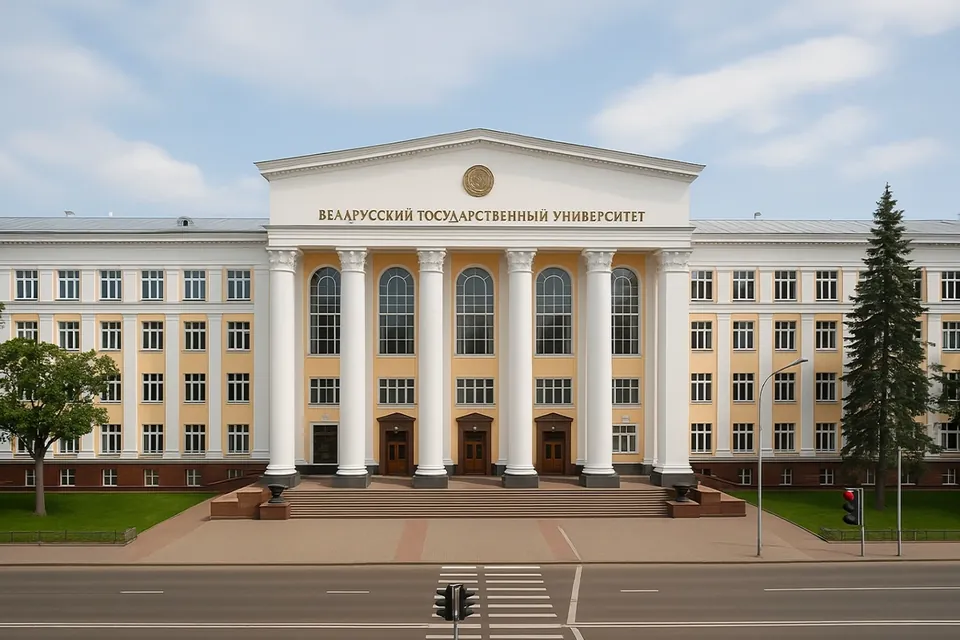
06Bashkir State Medical University
- Established Year
- 1932
- Available Seats
- 350+
- Avg. Tuition Fee
- ₽405,000 per year
- Course Duration
- 6 years (5 years of coursework + 1 year of clinical internship)
- Taught in
- English for international medical students
- Intake
- September
- FMGE Passing Rate
- 22.50%
- Listed in WDOMS
- Yes, as ‘Bashkir State Medical University’
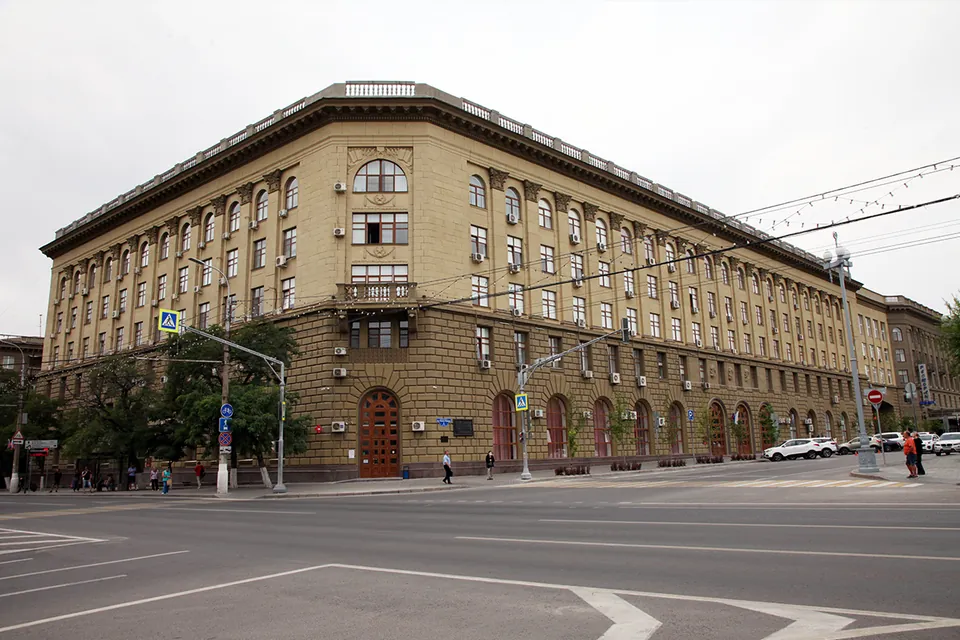
07Volgograd State Medical University
- Established Year
- 1935
- Available Seats
- 250+
- Avg. Tuition Fee
- ₽505,000 per year
- Course Duration
- 6 years (5 years of coursework + 1 year of clinical internship)
- Taught in
- English for international medical students
- Intake
- September
- FMGE Passing Rate
- 24.30%
- Listed in WDOMS
- Yes, as ‘Volgograd State Medical University’
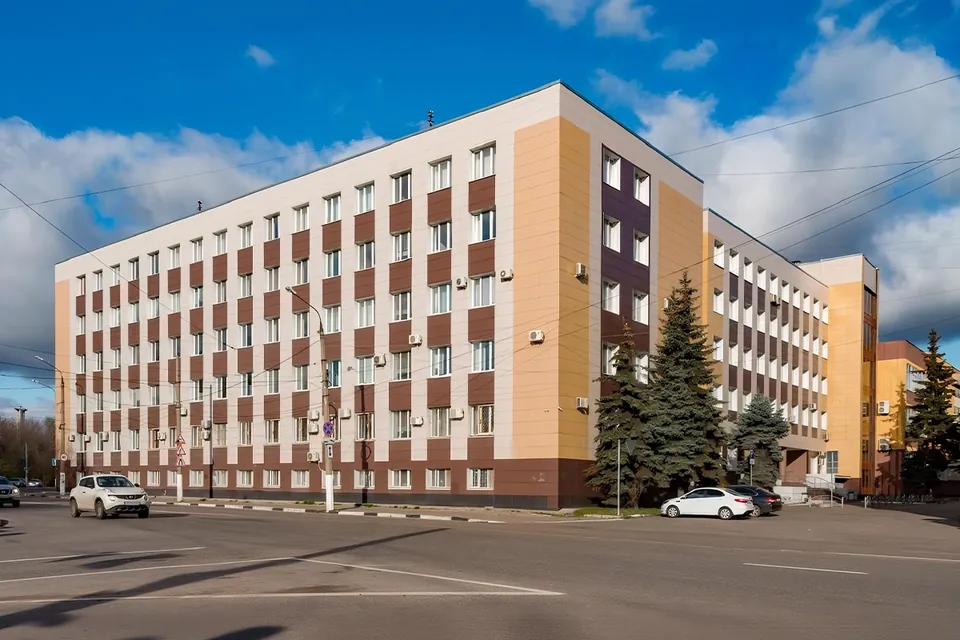
08Tver State Medical University
- Established Year
- 1936
- Available Seats
- 200+
- Avg. Tuition Fee
- ₽430,000 per year
- Course Duration
- 6 years (5 years of coursework + 1 year of clinical internship)
- Taught in
- English for international medical students
- Intake
- September
- FMGE Passing Rate
- 24.10%
- Listed in WDOMS
- Yes, as ‘Tver State Medical University’
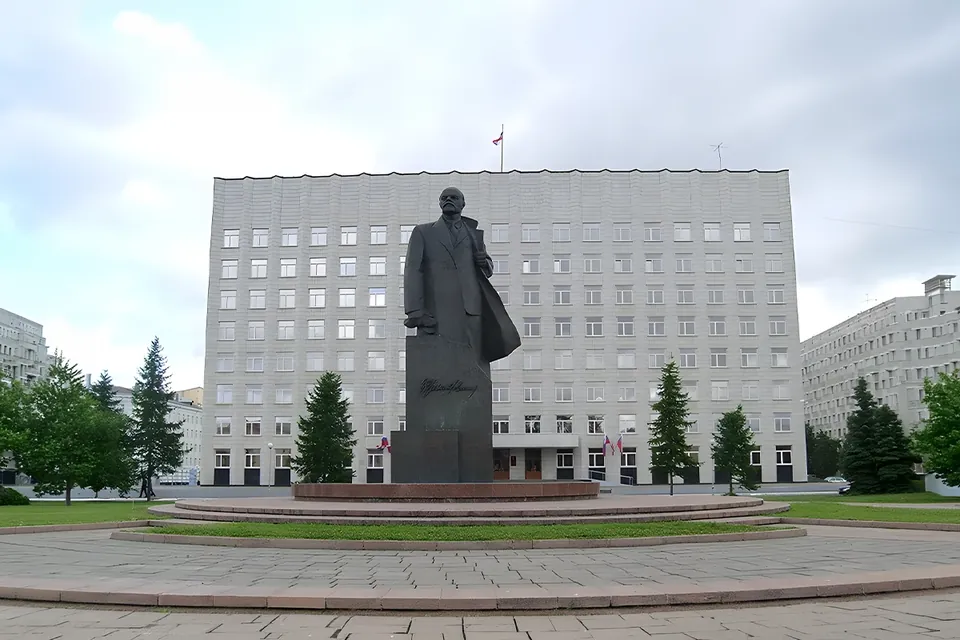
09Northern State Medical University
- Established Year
- 1932
- Available Seats
- 150+
- Avg. Tuition Fee
- ₽350,000 per year
- Course Duration
- 6 years (5 years of coursework + 1 year of clinical internship)
- Taught in
- English for international medical students
- Intake
- September
- FMGE Passing Rate
- 24.38%
- Listed in WDOMS
- Yes, as ‘Northern State Medical University’
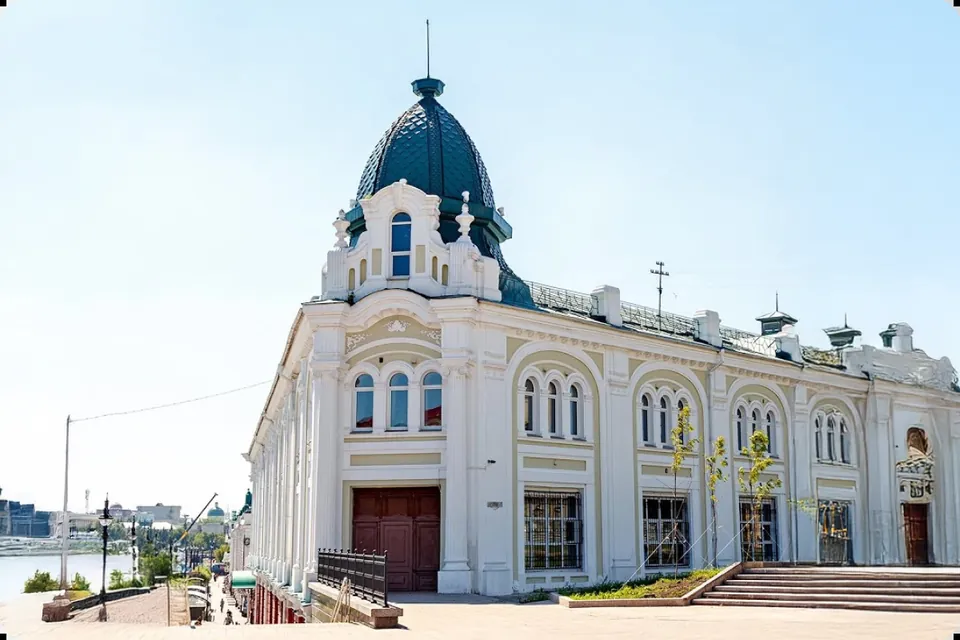
10Omsk State Medical University
- Established Year
- 1920
- Available Seats
- 150+
- Avg. Tuition Fee
- ₽303,000 per year
- Course Duration
- 6 years (5 years of coursework + 1 year of clinical internship)
- Taught in
- English for international medical students
- Intake
- September
- FMGE Passing Rate
- 24%
- Listed in WDOMS
- Yes, as ‘Omsk State Medical University’
Note: Tuition fees are estimates from internal sources and are subject to change. FMGE passing rates are calculated based on the NBEMS Country-wise Performance Report 2025. Seats vary by year and depend on the chosen academic path. Students and parents should always verify the university/institution’s NMC compliance before enrolling and paying.
The Official List of Medical Universities in Russia →
Not sure which of these fits your score and your budget?
10Fees
MBBS in Russia Fees and Other Related Expenses
With an affordable range of MBBS in Russia fees, the most cost-effective options for Indian students are Northern State Medical University, Omsk State Medical University, Kazan State Medical University, Kazan Federal University, and a few others. Check out the university-wise fee structure to decide which is best for an MBBS in Russia:
University-Wise Fee Structure: Year by Year
| University Name | City | Avg. Annual Tuition Fee | Avg. Annual Hostel Fee | Total Cost Across 6 Years |
|---|---|---|---|---|
| I.M. Sechenov First Moscow State Medical University | Moscow | ₽1,180,000 | ₽120,000 | ₽7,800,000 |
| Pirogov Russian National Research Medical University | Moscow | ₽750,000 | ₽28,000 | ₽4,668,000 |
| Peoples' Friendship University of Russia (RUDN) | Moscow | ₽880,000 | ₽90,800 | ₽5,824,800 |
| Kazan State Medical University | Kazan | ₽636,000 | ₽80,000 | ₽4,296,000 |
| Kazan Federal University | Kazan | ₽653,400 | ₽16,000 | ₽4,016,400 |
| Bashkir State Medical University | Ufa | ₽405,000 | ₽40,000 | ₽2,670,000 |
| Volgograd State Medical University | Volgograd | ₽505,000 | ₽105,000 | ₽3,660,000 |
| Tver State Medical University | Tver | ₽430,000 | ₽120,000 | ₽3,300,000 |
| Northern State Medical University | Arkhangelsk | ₽350,000 | ₽35,000 | ₽2,310,000 |
| Omsk State Medical University | Omsk | ₽303,000 | ₽120,000 | ₽2,538,000 |
Note: Figures show estimated values based on internal sources, calculated using tuition and hostel expenses for 6 years, excluding additional costs (travel, visa, insurance, and personal expenses). Always access the latest university prospectus and use a live currency converter for accurate values.
Other Costs on Top of Tuition
| Expense Category | Avg. Value in RUB | Avg. Value in INR |
|---|---|---|
| Medical Insurance (per year) | ₽6,000 | ₹6,600 |
| One-Time Admission/Registration Charges | ₽98,182 - ₽180,000 | ₹1,08,000 - ₹1,98,000 |
| Air Travel (6 Years) | ₽436,364 - ₽654,546 | ₹4,80,000 - ₹7,20,000 |
| Study Visa Extension Fee (per year) | ₽2,000 | ₹2,200 |
| FMGE Coaching Fees (per year) | ₽13,636 - ₽33,000 | ₹15,000 - ₹30,000 |
Note: Figures are estimated values based on internal and third-party sources combined. The values are subject to change and will vary depending on the exact institution and other relevant factors. The currency exchange rate used for INR values is ₽1 = ₹1.1.
Most families fund the education with a loan against an NMC-recognised seat.
Cost of Living in Russia for Indian Students
Indian students planning to pursue their MBBS in Russia must align their budget parameters with how they plan to live in the Russian city closest to their higher education institution. We have provided an overview of the cost of living in Russia for Indian students.
| Expense Category | Avg. Value in RUB | Avg. Value in INR |
|---|---|---|
| Private Accommodation (per month) | ₽10,000 - ₽50,000 | ₹11,000 - ₹55,000 |
| Local Transport (on a bus pass per day) | ₽25 | ₹27.5 |
| Personal Expenses (per month) | ₽2,000 | ₹2,200 |
| Food - Tiffin Services (per month) | ₽8,000 | ₹8,800 |
| Utilities in University Dorms (per month) | ₽1,000 | ₹1,100 |
Note: Figures are estimated values based on internal and third-party sources combined. The values are subject to change and will vary depending on the exact location, habits, and other relevant factors. The currency exchange rate used for INR values is ₽1 = ₹1.1.
What this means for you: Calculate the 6-year MBBS in Russia fees and hostel charges as the basic overall estimate, while keeping in mind that it will increase based on city, private accommodation, lifestyle habits, and loan structure (if applicable).
11Scholarship
MBBS in Russia Scholarship
Students from a marginalised economic background can apply for scholarships to fund their studies. Availability for an MBBS in Russia scholarship is limited and available through the federal government at selective universities. Indian students with exceptional academic performance are highly encouraged to apply for scholarships to fund their MBBS in Russia.
Government Scholarships
Russian Government Scholarship, Open Doors: Russian Scholarship Project, Rossotrudnichestvo Scholarship Program, Ambedkar Overseas Vidya Nidhi Scholarship (for Andhra Pradesh students from the Indian government)
University Scholarships
Sechenov Merit-Based Scholarship, Kazan Federal University International Scholarship, MSU International Scholarship, SPBU Excellence Scholarship, NSU Academic Excellence Award
What they typically cover: Partial or full tuition fees, subsidised or full coverage of hostel expenses, monthly stipends, and other financial assistance depending on the provider.
What this means for you: A scholarship can reduce tuition or cover basic living allowances, but such financial assistance for foreign students planning for an MBBS in Russia is rare.
12Loan
Education Loan for MBBS in Russia
Most students and parents who cannot find an MBBS in Russia scholarship apply for an educational loan from financial institutions. Both public and private banks, such as State Bank of India and ICICI Bank, and NBFCs (non-banking financial institutions), such as Avanse Financial Services and Auxilio Finserve, provide loans in both secured and unsecured forms. Secured loans require collateral as security; unsecured loans are easier and more flexible. However, you must note that unsecured loans have their own terms and conditions, so read all the related documents carefully before signing up to kickstart the process of an MBBS in Russia.
What banks ask for
Students usually submit a passport, an offer letter, a fee structure, school certificates, a NEET scorecard, and passport-sized photographs; co-applicants usually submit an Aadhaar card, a PAN card, income proof, the last 6 months' bank statements & address proof. For unsecured loans, property papers, encumbrance certificates, or property tax receipts.
What a loan usually covers
Tuition & hostel fees, examination fees, library charges, travel costs, health insurance, and costs related to books, uniforms, medical equipment, caution deposits, laptops, tours, and other materials or experiences provided by the institution.
What to check before signing
Most families take secured or unsecured loans without carefully reading the terms and conditions to fund the MBBS in Russia. Under no circumstances sign any document without reading it properly and understanding the loan structure.
13Course
MBBS in Russia Duration and Year-Wise Syllabus
Russian institutions combine 5 years with 1 year of practical clinical experience (internship) in a university-affiliated hospital. The MBBS in Russia duration is 6 years, comprising academics and full-fledged experience of treating patients in a real clinical setting. The Federal State Educational Standards (FSES) of the Russian Federation govern the structure of the medical curricula across institutions.
What is non-negotiable here for NMC compliance: The taught course must run for at least 54 months, the entire MBBS in Russia must finish within ten years of joining, and the internship must be completed at the same institution abroad.
Course length varies by university, and it determines whether your degree satisfies the 54-month rule.
Medium of Teaching
Indian students study MBBS in Russia with English as their primary language of instruction used during lectures, seminars, practical laboratory sessions, and examinations. Major medical institutions in Russia offer English as the medium of instruction for all enrolled overseas students to remove language barriers; however, all students take mandatory Russian language classes to prepare them for clinical training and 1-year clinical rotations.
What this means for you: Treat the “100% English” medium label only as a complimentary value to your MBBS in Russia, covering your daily classes, examinations, practical laboratory sessions, and seminars; foreign students cannot escape learning the Russian language to talk with local patients to treat and diagnose during clinical phases.
Being verified per university: Which listed universities require English-language certification, at what level, and by which year.
Language is the thing graduates most often say they underestimated.
Curriculum Highlights
The curriculum covers all major subjects and modules mandatory by the NMC to mirror Indian medical standards if you seek to practise medicine in India after an MBBS in Russia.
What You Study in Each Year
| Stage | Phase | What You Study |
|---|---|---|
| Years 1-2 | Preclinical | Anatomy, Chemistry, Biology, Physics, Histology, Biochemistry, Physiology, Language and Foundational sciences. |
| Years 3-4 | Para-clinical | Microbiology, Pharmacology, Pathology, Hygiene, Radiology, Operative Surgery and Propaedeutics. |
| Years 5-6 | Clinical | Rotations in internal medicine, surgery, paediatrics, obstetrics & gynaecology, psychiatry, ENT, ophthalmology, oncology, etc. |
| Year 6 | Internship | Mandatory clinical internship in university-affiliated hospitals across various departments, such as general medicine, surgery, neurology, forensic medicine, and emergency medicine. |
Is MBBS in Russia Taught in English?
Yes, Indian students and other international students have access to the English medium MBBS, but as the year progresses and the curriculum changes with each phase (preclinical → paraclinical → clinical), all overseas students learn at least basic Russian to interact with local patients during the MBBS in Russia clinical training and final-year internship. Learning Russian also helps them navigate daily life in Russian cities when buying groceries or doing other activities.
14Comparison
MBBS in Russia vs India and Other Countries
| Feature | Russia | India | Uzbekistan | Georgia |
|---|---|---|---|---|
| Duration | 6 years (5+1) | 5.5 years (4.5+1) | 6 years (5+1) | 6 years (5+1) |
| Total Cost | ₹30-₹40 lakh | ₹9-₹36 thousand (government); ₹10-₹44 lakh (private) | ₹16-₹27 lakh | ₹35-₹48 lakh |
| Teaching Language | 100% English | Local Language | English-taught for expats | English-medium coursework |
| Entrance Requirements | NEET-UG (for the NMC); certain in-house entrance tests or interviews | NEET-UG cut-off; some universities have their own assessment criteria | NEET-UG (for the NMC); some universities conduct online interviews | NEET-UG (for the NMC); some universities conduct online interviews |
| To Practise In India Rules | NMC compliance, NEET-UG qualification, clearing the FMGE/NExT and completing the internship | Fulfil the NMC criteria, clear the final-year MBBS exam, get your degree, and register with the NMC or a state medical council | NMC compliance, NEET-UG qualification, clearing the FMGE/NExT and completing the internship | NMC compliance, NEET-UG qualification, clearing the FMGE/NExT and completing the internship |
Note: All values are estimated and will depend on the actual institution and other relevant factors. The duration of the programmes can vary across the institutions but must meet the NMC guidelines if seeking practice in India. Entrance requirements will vary depending on the university’s regulations. All classes are conducted in English, but they teach the local language to prepare for patient interactions. NExT exam is not officially implemented in India.
What this means for you: Compare Russia with other countries based on overall cost, NMC compliance (for medical practice in India), career pathways after graduation, and living standards comfortable for you.
The right comparison is against the other countries; your score actually opens.
15After Graduation
Career Pathways After MBBS in Russia
After completing the MBBS in Russia duration, Indian medical graduates can pursue a range of career pathways based on their long-term objectives and begin to prepare for them accordingly. Gaining your medical degree is the first step; you must gain a primary medical qualification from your rewarding institution.
- Complete the MBBS in Russia and gain a Primary Medical Qualification
- Qualify for the FMGE examination (or NExT when implemented) in India
- Participate in a 1-year Compulsory Rotatory Medical Internship (CRMI)
- Register with the NMC or a state medical council of your desired location
A constraint no other page mentions: Remember that implicit expenses, such as FMGE coaching and its examination fees in India, are not explicitly part of an MBBS in Russia fee structure. For any country’s licensing path, you must bear these costs yourself.
What this means for you: plan for your studies at medical universities in Russia with the understanding that achieving a career goal in any country will require a strong commitment to invest both your time and money for an overall duration of 7-8 years, depending on the target country’s regulatory requirements for international medical graduates (IMGs).
These are the rules as written, not a sales pitch. Ask before you commit six years.
A Chinese MBBS opens three routes. Only one of them is the one most Indian graduates actually take.
Coming Back to Practice in India
After obtaining a primary medical qualification through your MBBS in Russia, you can clear the FMGE (or NExT once it’s implemented across India), complete a Compulsory Rotating Medical Internship (CRMI) at a recognised healthcare facility, and register with the NMC or a State Medical Council. You can also choose to pursue MD/MS/DNB for further education and medical specialisation.
Staying On in Russia
Indian medical graduates from medical universities in Russia can stay back and clear the state exam (often referred to as "Gosy"), comprising three steps (theory, OSCE assessment, and oral presentation), enabling them to work as a general practitioner. To enter a specific field after your MBBS in Russia, you can pursue clinical residency programmes called “Ordinatura”, but remember that depending on the chosen speciality, it will add a further 2-5 years to your overall journey.
Moving to Other Countries
Many foreign students who study MBBS in Russia pursue international career pathways in their preferred healthcare systems. Clearing the USMLE and obtaining ECFMG certification makes you eligible for medical practice in the USA, and the PLAB/UKMLA pathway to register with the General Medical Council (GMC) and work in the UK’s National Health Service (NHS), and AMC for Australia, along with many other licensing pathways in many other countries after your MBBS in Russia.
16The Other Side
Pros and Cons of Studying MBBS in Russia
There are both MBBS in Russia advantages and disadvantages, depending on a student’s circumstances. Russia offers quality education at recognised institutions with intensive clinical training at affordable tuition rates; however, it also has certain drawbacks.
Pros
- Russia’s historical legacy in medicine
- 100% English medium MBBS
- Intensive clinical exposure & training
- Positive relations with India
- The majority of the institutions are listed in WDOMS and NMC-compliant
Cons
- Demanding daily academic schedule
- Learning basic Russian for clear interaction with the local patients
- Disease patterns differ from India
- Dealing with the harsh, chilly climate
- Strict requirements to get a licence
Why we publish this: other websites share information highlighting the unique selling points of the Russian MBBS but avoid shedding light on the opposite sides of the spectrum. We intend to be transparent so that you can make an informed decision about your MBBS in Russia.
Still weighing it up? Ask the awkward questions before you commit, not after.
17Faq
MBBS in Russia FAQs
How much does it cost to study MBBS in Russia?
The overall cost of MBBS in Russia 2026 is approximately ₹35 lakhs if we consider the cost-effectiveness of low-budget universities; high-end universities like First Moscow and Pirogov National will significantly increase your overall budget for Russian medical education.
How much score in NEET for MBBS in Russia?
While having a valid NEET-UG qualification is one of the components in the MBBS in Russia eligibility, most universities do not consider your specific NEET scores for admission; just score the minimum percentile cutoff set by the National Testing Agency (NTA) for the same year, which remains valid up to three years after the results.
Is MBBS in Russia valid in India?
Yes, an MBBS in Russia is valid in India if you enrol in an institution that complies with the NMC guidelines. These NMC FMGL 2021 regulations are outlined in the “Gazette of India" and listed in the World Directory of Medical Schools (WDOMS).
Can I do MBBS in Russia without NEET?
Yes, you can pursue an MBBS in Russia without NEET at certain universities where a NEET scorecard is not required as proof, but keep in mind that you won’t be eligible to practise medicine in India, as per the National Medical Commission’s public notification released in 2020.
Is MBBS in Russia difficult?
Pursuing an MBBS in Russia is moderately difficult, given the academic requirements and harsh winters in certain regions. Students will also have to learn the Russian language to interact with local patients, which can also help them to live in Russia comfortably and communicate clearly.
Why do Indians go to Russia for MBBS?
With more than 50 NMC approved medical colleges in Russia that are also enlisted in the WDOMS and offer high-quality medical education with intensive clinical training at an average overall cost of ₹35 lakhs, which is more affordable than applying to private medical colleges in India. Russia has a rich academic legacy in medicine, with some universities ranking among the top global institutions for an MBBS in Russia.
What are the disadvantages of studying MBBS in Russia?
When parents and students compare MBBS in Russia vs India, they will certainly find that Russia has disadvantages, including harsh winters in certain regions, learning the Russian language, and meeting the rigorous academic requirements to get their degrees. However, when doing a comprehensive analysis, Russia will emerge as a top option for medicine.
Can I get a job after MBBS in Russia?
Yes, you can get a job after completing your MBBS in Russia, depending on your career goals. You can practise as a general practitioner in Russia after clearing the state exam (“Gosy”) or pursue residency (“Ordinatura”) to practise in a specific field. For clinical careers in India or other countries, you need to meet their respective licensing requirements.
Does Russia require IELTS?
Generally, IELTS is not required for MBBS admission in Russia, but some universities can require proof of English proficiency to enrol in the 6-year English-medium medical programme.
Is MBBS in Russia safe?
Yes, it is safe to study in Russia. Study at a medical institution located far from the conflict zones in major academic hubs (like Moscow, Kazan, Orenburg, and Perm). With a large community of Indian students pursuing MBBS in Russia, students will find a supportive environment. Keep in touch with the university’s international office, your counsellor, family members, or the Indian Embassy located in Moscow, especially in emergencies.
Still got more questions to ask?
18Ask Us
Ask a Question About MBBS in Russia
For more information or to get your questions answered, talk to a professional by booking a free appointment.
Fill out the form to register your details and get the process started with expert advice.
Thank you! We have your details.